white Base Cake
Lu’ember Vol. 1 — Foundation White Base Cake
Light, refined, and structured—this white cake is built to hold softness while maintaining form.
A balanced crumb supports clean layers, carving, and a smooth, controlled finish.
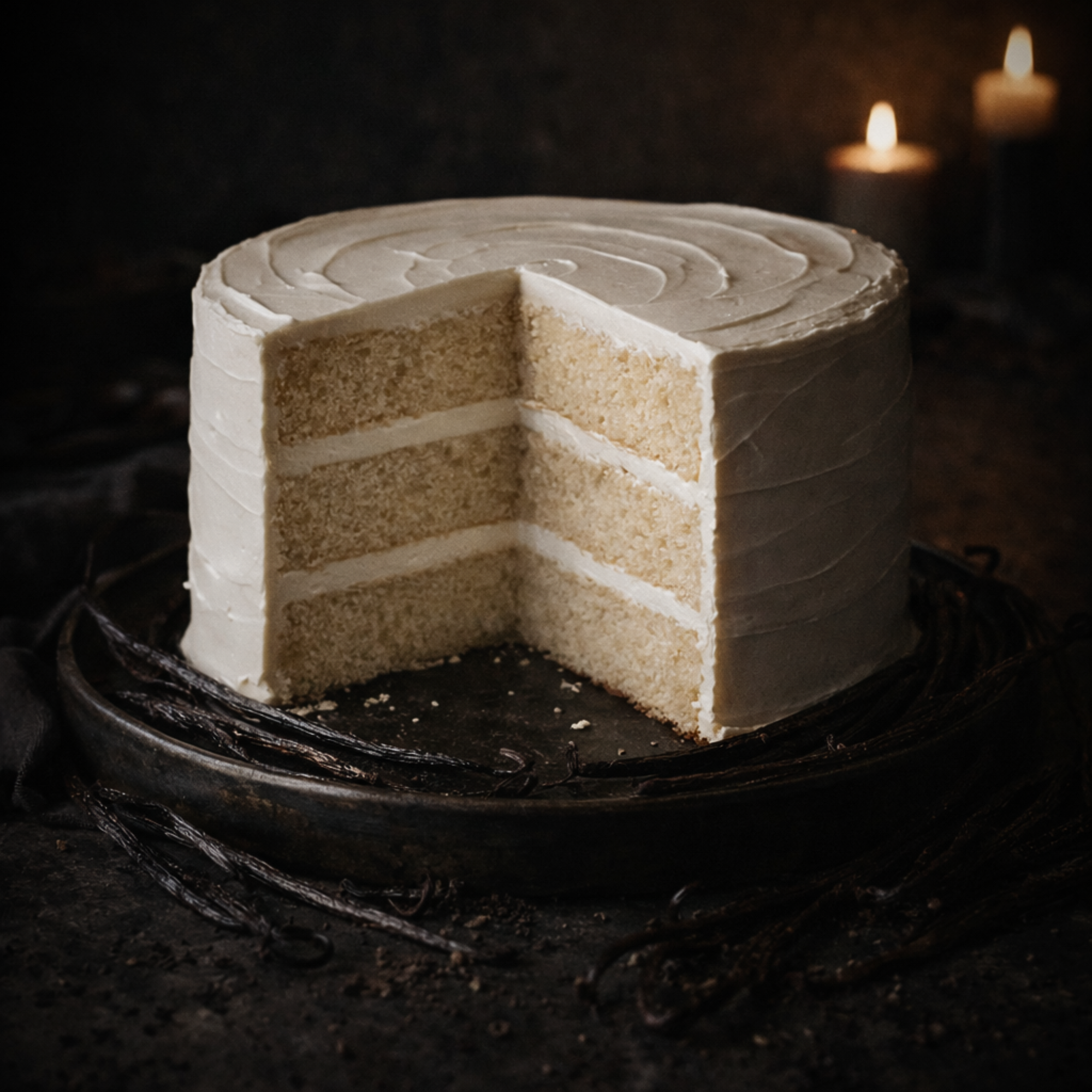
Soft, neutral, and quietly structured.
Designed for versatility, this cake supports citrus, cream, floral, fruit, and subtle spice pairings.
A clean base—allowing lighter flavors to emerge while maintaining stability and control through each layer.
Components
– White cake layers
– Compatible with citrus, cream, floral, fruit, and light spice systems
– Designed to pair with soak and ganache structures
Yield: Three 8-inch round layers for base cakes, or four 6-inch layers for modern builds
Ingredients Dry: • 2 ½ cups (315 g) all-purpose flour • 2 ½ tsp baking powder • ½ tsp baking soda • ½ tsp salt Wet: • 1 cup (225 g) unsalted butter, softened • 1 ¾ cups (350 g) sugar • 4 large egg whites • 1 tbsp vanilla extract • 1 cup (240 g) sour cream • ½ cup (120 g) whole milk
Instructions
• Preheat oven to 325°F. Prepare three 8-inch pans.
• Whisk flour, baking powder, baking soda, and salt.
• Cream butter and sugar until smooth and light.
• Add egg whites gradually, mixing until incorporated.
• Mix in vanilla extract.
• Add sour cream and mix until smooth.
• Alternate dry ingredients with milk, mixing just until combined.
• Divide evenly between pans.
• Bake 25–30 minutes, or until set.
• Cool completely before assembling. Chill for best structure.
ASSEMBLY + SOAKING
These foundational recipes are designed as three-layer 8-inch cakes intended to work together with the soaking systems and ganache foundations introduced throughout Volume I.
Once fully cooled, lightly apply the Espresso Soak between each layer using a pastry brush, spoon, or squeeze bottle. Begin from the center and work outward in a thin, even layer to enhance moisture while carrying flavor throughout the cake without oversaturating the crumb.
For denser cakes, a skewer or toothpick may be used to lightly open the surface before soaking to encourage deeper absorption. Allow the layers to rest several minutes before filling so the moisture can settle evenly throughout the cake.
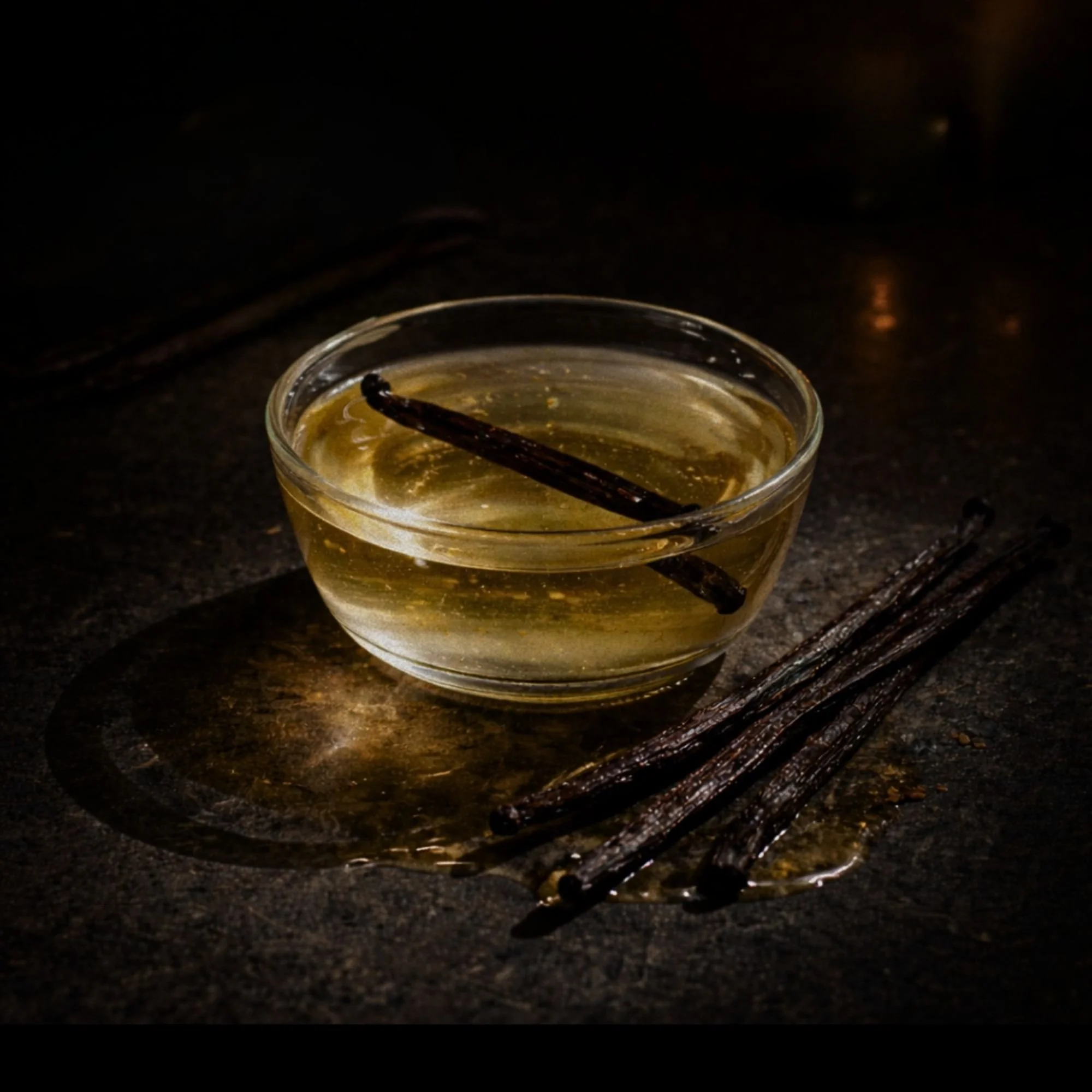
Cake Soak: Vanilla Soak
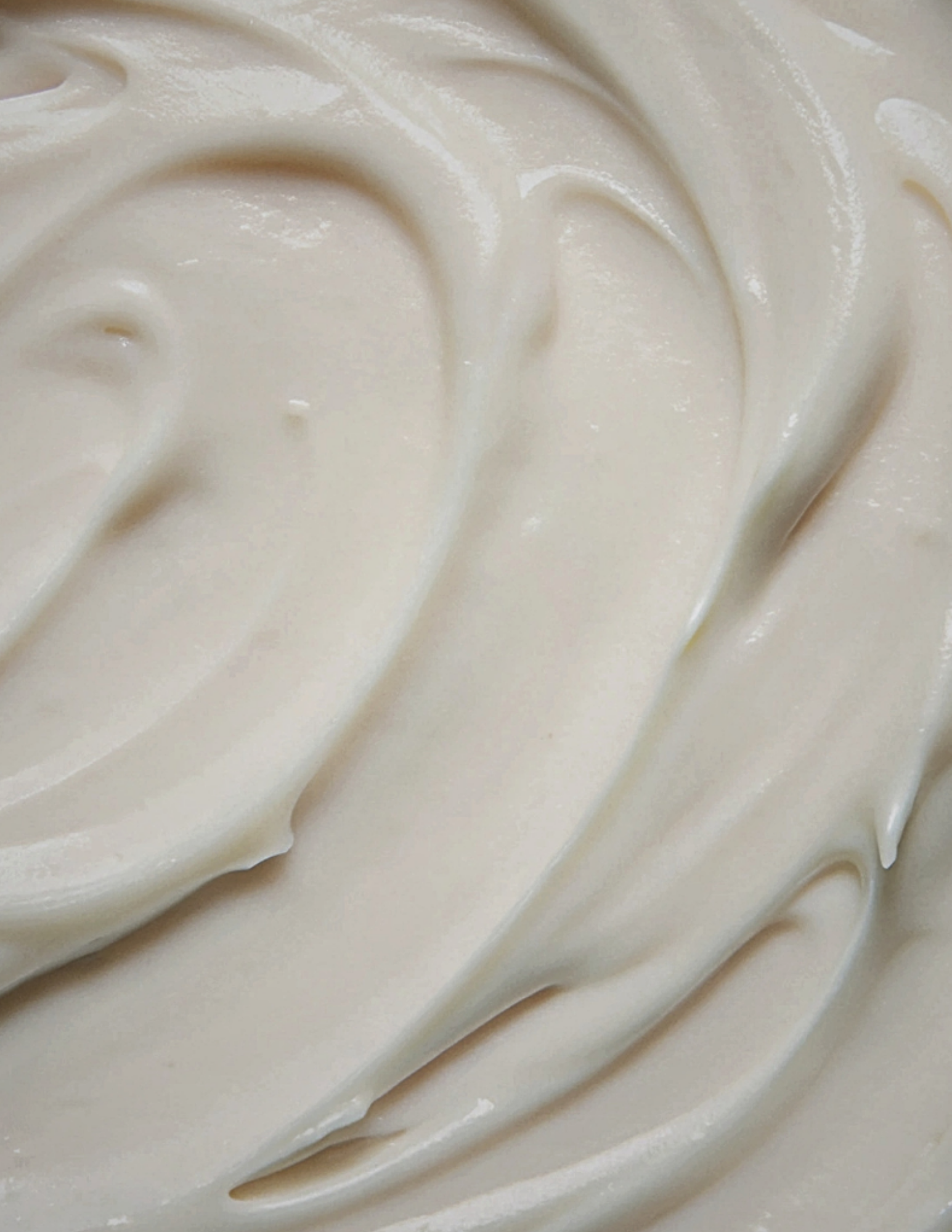
Suggested filling and pairing: White Chocolate Ganache
GANACHE FILLING + FINISHING
Prepare the desired ganache foundation ahead of assembly and allow it to cool until thickened to a spreadable consistency similar to peanut butter.
For a lighter texture, the ganache may be whipped after cooling. Using a hand mixer or stand mixer, whip until slightly lighter in color and texture while maintaining a smooth, structured consistency suitable for filling and finishing.
Secure the first cake layer to the board with a small amount of ganache, then spread an even layer of ganache across the surface. Repeat with the remaining layers, placing the final cake layer upside down for a flatter top surface.
Apply a thin crumb coat to seal the cake and refrigerate for 15–20 minutes until firm. Finish with a final layer of ganache, smoothing with a bench scraper for a refined finish.
GANACHE FOUNDATIONS
This recipe was designed to pair with the White Chocolate Ganache Foundation, though the Dark Chocolate Ganache Foundation and White Chocolate Ganache Foundation may also be used depending on the desired composition.
The Foundation Ganache recipes provide enough ganache to comfortably fill, crumb coat, and finish a standard three-layer 8-inch cake.
For additional guidance on whipped ganache, texture control, fillings, coatings, drips, structural applications, and ratio variations, refer to the Ganache Guide — Volume I.
Pairing Notes
The White Vanilla Cake and White Chocolate Ganache foundations create a versatile pairing designed to support a wide range of flavor compositions. Their balanced structure and delicate flavor profile pair naturally with citrus, berries, tropical fruits, florals, honey, tea infusions, and botanical elements while providing a reliable foundation for both modern cake and sculptural work.
As the lu’ember studies continue evolving, this pairing serves as the foundation for many compositions centered around brightness, atmosphere, and layered sensory development.